
Vinyl vs Wood vs Fiberglass Windows for Southeastern PA Weather
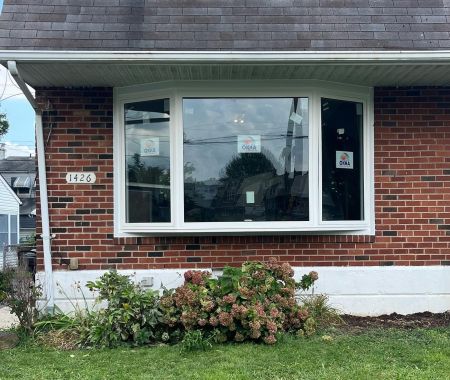
Southeastern PA throws a lot at your windows. We get frigid snaps, spring downpours, summer heat, and fall wind. If you are weighing vinyl vs wood vs fiberglass windows for a home in Chester County, PA, this guide breaks down how each material handles our four-season climate, from energy efficiency to upkeep and curb appeal. If you are ready to explore options now, see our replacement windows to start narrowing your choices.
What Makes Southeastern PA Windows Work Hard
Homes in West Chester, Downingtown, Exton, Phoenixville, Malvern, and Kennett Square deal with big temperature swings and plenty of moisture. Masonry and stucco exteriors are common, and many houses have original wood trim that needs careful sealing. Freeze-thaw cycles can stress frames and caulk lines, while wind-driven rain tests every seam.
- Cold winters demand tight seals, quality glazing, and frames that do not contract too much.
- Humid summers call for materials that resist swelling, warping, and sun fade.
- Frequent storms mean durable finishes and strong, stable frames.
Vinyl Windows: Pros, Cons, and Best Fits
Vinyl is popular because it balances performance and ease. Modern vinyl frames use insulated chambers and welded corners that help limit drafts. They are known for low-maintenance replacement windows since you do not need to paint them.
Pros: vinyl resists rot, never needs repainting, and offers strong thermal performance for the price. It pairs well with double-pane or triple-pane glass to keep rooms more comfortable. Color options are broader than they used to be, including interior laminates that mimic wood.
Cons: cheaper vinyl can move under heat, which may affect seal longevity. Dark colors on sun-baked elevations can fade faster. It is harder to refinish or repair if the frame is damaged.
Best for: busy households that want reliable, cost-conscious comfort with very little upkeep. It is a smart pick for many brick colonials in West Chester or townhomes in Phoenixville where homeowners want a clean, consistent look.
Wood Windows: Pros, Cons, and Best Fits
Wood delivers a warm, classic profile that suits Chester County architecture, from stone farmhouses to Main Street Victorians. Many premium wood windows now include aluminum or fiberglass cladding on the exterior for added protection.
Pros: excellent natural insulation, timeless style, and easy to repaint or refinish inside for design changes. With exterior cladding, you get beauty inside and a tough shell outside.
Cons: bare exterior wood needs vigilant maintenance in our wet seasons. Even with cladding, joints and sills must be protected. Wood can swell with humidity, affecting smooth operation if not sealed well.
Best for: historic or design-forward homes where authentic profiles matter. In Downingtown or Kennett Square historic districts, wood or wood-clad windows often look right at home and match trim details more easily.
Fiberglass Windows: Pros, Cons, and Best Fits
Fiberglass frames are engineered for strength and stability. They expand and contract very little with temperature changes, which helps seals and glass units last.
Pros: slim, strong frames that maximize glass area and daylight. High durability with excellent resistance to heat, cold, and moisture. Many accept paint on the interior for customization.
Cons: fewer style lines and colors than some wood options, and repairs usually need a pro. Upfront investment is often higher than basic vinyl.
Best for: homeowners who want high-efficiency window frames with a modern look and low movement through the seasons. Fiberglass shines in spots like sun-facing walls in Exton or Malvern where temperature swings are toughest.
Energy Efficiency That Matters in Chester County
Efficiency depends on the full system: frame, glass, spacers, and installation. Wood insulates well by nature, vinyl locks in air with internal chambers, and fiberglass limits thermal movement that can stress seals. Pairing the frame with quality low-e coatings, warm-edge spacers, and tight weatherstripping is key.
- U-factor and solar heat gain work together. Lower U-factor helps hold winter heat. Balanced solar gain can keep summer rooms cooler.
- Triple-pane glass can calm street noise and add comfort in rooms with big windows or north-facing walls.
- Proper installation against brick or stone is critical for air sealing and water control.
Sealing and installation quality matter as much as the frame material. A mid-tier window, installed perfectly, will outperform a premium unit that is not flashed and foamed correctly around the perimeter.
Durability and Maintenance in a Four-Season Climate
Winter road salt in the air, spring pollen, and summer UV all affect finishes. Vinyl asks the least from you day to day. Fiberglass keeps its shape reliably across seasons. Wood rewards care with long life and beautiful grain, especially if you choose exterior cladding.
Plan routine care twice a year. Clean tracks, check weatherstripping, and look for hairline gaps in caulk where siding or stone meets the frame. Moisture is the enemy in older masonry walls, so attention here protects your investment.
Style and Curb Appeal for Historic and Modern Homes
Chester County homes cover many eras. You might see a stone farmhouse near Unionville, a mid-century in Paoli, or a new build in Phoenixville. Wood offers the richest detail for historic trim. Fiberglass delivers thin lines and more glass for a contemporary look. Vinyl now comes with better profiles and color choices, so it can blend into many styles without drawing attention.
Think about sightlines from the street and the interior. Do you want divided lites that echo your home’s age, or wide views for a kitchen window over the sink? Hardware finish, screen design, and interior casing affect the final look as much as the frame.
Condensation, Leaks, and How Materials Respond
Condensation on glass often comes from indoor humidity, not a defective window. Still, some frames handle edge temperatures differently. Fiberglass and wood tend to feel warmer to the touch in winter than thin, older metal frames. Modern vinyl and fiberglass both reduce drafts well.
Avoid low-grade vinyl that can warp in summer sun. If you see bowed frames or sticky sashes, have a pro check plumb and level and inspect the glass seal. Likewise, wood that rubs or sticks may need attention to paint build-up or humidity control.
Noise, Comfort, and Everyday Use
Close to a busy road in West Chester or near the train in Malvern? Glass choices matter. Laminated or triple-pane units can cut noise, and rigid frames help hold seals tight. Consider tilt-in sashes for easy cleaning in upper floors and robust locks for security and air pressure.
Quick Comparison: Which Material Fits Your Goals
- Vinyl: low upkeep, strong value, good efficiency, wide availability.
- Wood or Wood-Clad: premium look, great insulation, customizable, needs care.
- Fiberglass: very stable, sleek lines, high durability, paintable interiors on many models.
If you want one simple rule of thumb: pick vinyl for the lowest maintenance, wood for authentic character, and fiberglass for strength and stability with a clean profile.
Choosing the Best Window Material for Pennsylvania Homes
The best window material for Pennsylvania depends on your house, exposure, and how much time you want to spend on upkeep. A shaded, older stone home in Kennett Square with deep sills might lean toward wood-clad for authenticity. A sun-soaked cul-de-sac in Exton could favor fiberglass for stability. A family that wants fast, simple care may love vinyl throughout.
Want a deeper dive before you buy? Start with these basics, then compare frame samples in person to feel weight, sightlines, and hardware. You can also learn more about vinyl vs wood windows right on our site and see how styles change the view from room to room.
How Windows Plus Helps You Choose the Right Replacement Windows
Windows Plus focuses on fit, finish, and long-term performance for Chester County homes. We look at your exterior walls, measure moisture risk, and recommend frame and glass packages that match how you live. We also talk through color, grids, screens, and hardware so the final result feels custom, not cookie-cutter.
Always confirm your window is properly flashed in brick and stone walls. Our team explains the water management steps we use at the sill and jambs so you know what is behind the trim. That is the quiet work that keeps drafts and leaks away through many seasons.
When to Replace and What to Watch
Not sure if it is time to act? Look for these signs:
- Persistent drafts near closed windows or visible light at the frame.
- Condensation between panes, which points to a failed seal.
- Rotted sills, peeling paint that keeps returning, or soft wood.
- Windows that stick, sag, or refuse to lock smoothly.
If you are seeing two or more of these, a thoughtful plan can improve comfort, cut noise, and boost curb appeal all at once. You can explore frame choices and glass packages right here: visit our page on replacement windows in Chester County to see options and styles that match your home.
Ready to Upgrade?
Let’s make your home feel better in every season. Talk with Windows Plus about a tailored plan for your rooms, exposures, and style. Call us at 610-572-4733 or schedule a visit. When you are ready, start with our guide to replacement windows and see which frame is the right fit for your Chester County home.
Call Window Plus Today for Professional Window Replacement Services Throughout Delaware County, Chester County, & Montgomery County.